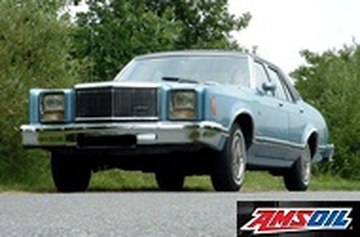
Lubrication Maintenance for the 1980 Mercury MONARCH 5.0L
Maintaining a vehicle from the early 1980s requires a proactive approach to fluid management and mechanical inspection. For owners of a 1980 Mercury Monarch equipped with the 5.0L engine, consistent attention to lubrication systems is a fundamental aspect of long-term engine health. Because older engines operate under different wear patterns than modern counterparts, understanding how to monitor and respond to changes in lubricant condition is essential for effective ownership.
Monitoring Fluid Integrity and Potential Leaks
One of the most practical ways to assess the condition of a 1980 Mercury Monarch is through regular visual inspections of the engine bay and undercarriage. Over time, various seals and gaskets may undergo changes in elasticity due to heat cycles and age. It is useful to look for signs of fluid seepage or active leaks around the engine block and connection points.
When performing these checks, consider the following:
- Surface Seepage: Look for oily residue or "wet" areas on the engine exterior, which may indicate that a seal is beginning to weep.
- Puddle Identification: Regularly check the ground where the vehicle is parked to identify any fresh fluid drops that might suggest a leak occurring while the engine is off.
- Fluid Color and Texture: If you are able to safely check the lubricant level, observe its color. While some discoloration is normal due to use, extremely dark or gritty textures can warrant further investigation into the engine's internal cleanliness.
If any unexpected fluid loss is observed, it should be investigated promptly. Addressing minor seepage early can often prevent more significant issues from developing later.
Managing Engine Lubricant for Long-Term Health
The lubricant in a 5.0L engine performs several vital roles, including reducing friction between moving parts and assisting in heat management. As the oil ages, it can lose its ability to effectively manage contaminants and maintain its protective properties. For an older vehicle, maintaining a clean lubrication system is a primary maintenance priority.
Some high-mileage oil formulations contain additives intended for use in aging engines. These specialized lubricants may include seal-conditioning additives designed to help maintain the integrity of various engine seals. While these are not a substitute for repairing mechanical failures, they can be a consideration for owners managing an older powertrain.
It is also important to monitor how the engine consumes oil. If you notice that you are needing to add lubricant more frequently than in previous months, this change in consumption pattern should be noted and investigated. Changes in how much oil the engine uses can be associated with various factors, ranging from simple evaporation to changes in internal component tolerances.
Practical Inspection of Engine Accessories
Beyond the lubrication system itself, a comprehensive maintenance routine for the 1980 Mercury Monarch should include inspecting other components that support engine operation. While many parts are designed to last for years, they are still subject to environmental wear and physical degradation.
If equipped, inspect accessible drive belts for signs of deterioration such as cracking, glazing, or fraying. These belts are critical for driving various engine accessories, and their condition can impact the overall reliability of the vehicle. Similarly, if the vehicle is equipped with various rubber hoses, check them for excessive softness, brittleness, or visible bulging. Any evidence of cracks in these components suggests they may be nearing the end of their service life.
Electrical connections and wiring should also be checked periodically. Ensuring that connectors are secure and free from corrosion helps prevent intermittent electrical issues that can affect engine performance or sensor readings.
Establishing a Maintenance Baseline
For many owners of classic or older vehicles, the service history may not be fully documented. In these cases, establishing a maintenance baseline is a highly effective strategy. This involves performing a thorough inspection of all fluids and mechanical components to determine their current state of health.
By documenting the condition of the oil, the state of the belts, and any existing minor leaks, you create a reference point. This allows you to more easily identify when a change occurs. For example, if you know that your engine currently shows no signs of seepage, discovering a new oily residue becomes much easier to diagnose. Keeping a detailed log of all completed maintenance, including the dates and observations made during inspections, is one of the most valuable tools for long-term vehicle stewardship.
Prioritizing tasks based on current condition rather than just age allows for more efficient maintenance. If an inspection reveals that a belt is fraying or a hose is brittle, those items should take precedence over other non-critical cosmetic or secondary maintenance tasks.
Identifying Potential Warning Signs
Drivers should remain attentive to how the vehicle behaves during operation. While many mechanical issues develop slowly, some can present more immediate symptoms that require attention. It is important to remember that a single symptom can have multiple potential causes, so observations should be treated as indicators for further inspection rather than definitive diagnoses.
Watch for the following:
- Unusual Noises: Any new mechanical sounds coming from the engine area during startup or while idling should be investigated.
- Changes in Exhaust Appearance: While exhaust characteristics can vary based on many factors, any sudden or significant change in the color of the exhaust smoke warrants a closer look at the engine's condition.
- Temperature Fluctuations: If the vehicle begins to run hotter than usual, it may indicate an issue with the cooling system or the engine's ability to manage heat effectively.
If any warning lights appear on the dashboard, they should be addressed immediately according to the vehicle's operating manual and professional guidance.
Buying Engine Oil for your 1980 Mercury MONARCH 5.0L
When it is time to replenish or change the lubricant in your engine, accuracy in selection is paramount. To ensure the best possible protection for your 5.0L engine, you must match the oil to the application-specific viscosity information already displayed on this webpage.
Avoid making assumptions based solely on the age of the vehicle or general automotive trends. Instead, always verify that the product you are purchasing aligns with the specific requirements listed in the technical data above. When shopping for products, check the labels carefully to ensure they meet the appropriate API certifications for your needs. Whether you choose a conventional lubricant, a synthetic blend, or a full synthetic formulation, the most critical factor is adhering to the viscosity and application specifications provided for this exact 1980 Mercury Monarch.